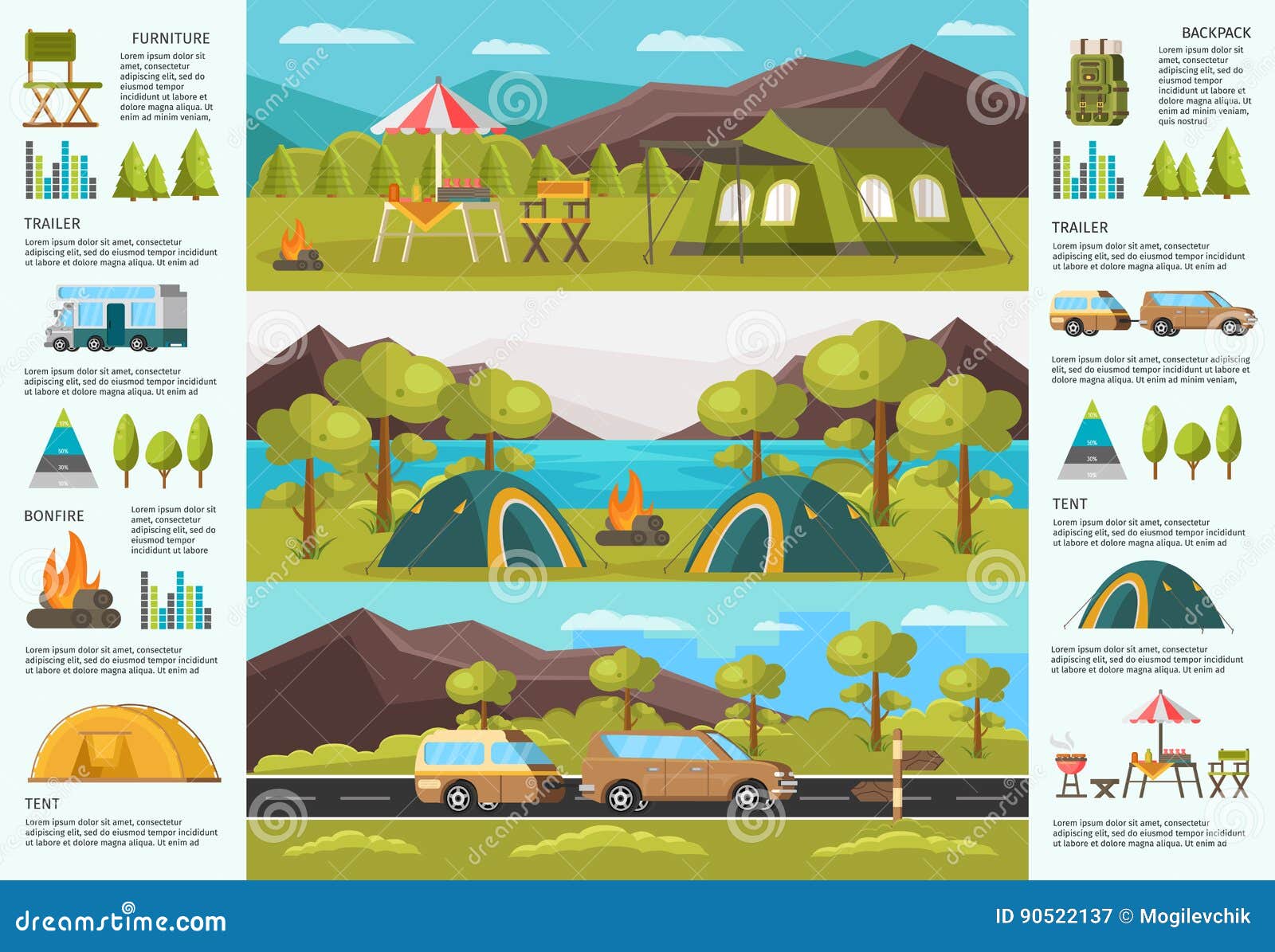
Nothing transforms a soothing camp out right into a soggy mess quicker than camping tent condensation. Thankfully, you can minimize the opportunities of condensation by camping in protected areas and effectively setting up your rain fly.
A rainfly is made from water-proof fabric that secures your outdoor tents from unfavorable weather conditions. Additionally, most rainfall flies have vents and vestibules that improve ventilation.
Air flow
The most effective method for minimizing condensation is to supply ample ventilation. This allows the air to leave from areas, lowering interior moisture and decreasing the threat of condensation. Ventilation can be all-natural or mechanical, with the option of system depending on a structure's style and specific air top quality requirements.
Having a consistent interior temperature can additionally help to avoid condensation by warming surfaces. Maintaining the heating on throughout the day, or utilizing the extractor fan in the shower room and opening a home window while food preparation can all help to reduce condensation troubles.
Warm Transfer
Condensation is a physical adjustment from gas to liquid water, and as the water molecules relocate from their free-moving placement into their compressed kind, they lose kinetic energy. The loss of kinetic energy triggers the molecule's temperature level to reduce.
As the water cools, it comes to be a smaller bit called a bead. These droplets cling to tiny dust fragments, known as condensation cores, in the atmosphere to create clouds. When the cloud is large sufficient, it goes down rain or snow, finishing the water cycle that aids plants, animals and people live.
Many research studies have actually been carried out on the condensation warmth transfer in various working problems using different empirical relationship designs like Uchida, Tagami and Dehbi, yet the major problem is that these relationships are restricted in their applicability variety. This paper intends to recommend a comprehensive computation design of condensation, which simplifies the mechanisms and experimental connections. This version can efficiently fix the constraints of standard empirical connections and realize accurate condensation simulation.
Dampness Reduction
As air temperatures decline, water vapor moves to chillier surface areas and condenses. Dampness in your home can come from a selection of resources including showering, food preparation and also your animal's saliva. Once this dampness is caught in your house it can urge organic pollutants to expand, triggering health problems.
Moisture can be lowered by enabling air to circulate and by drying out any type of wet surface areas completely. Hanging towels and clothes outdoors and making use of extractor followers in the washroom can assist. Using a window vacuum to draw the moisture from windows and various other surfaces can be extremely reliable as well.
You can additionally minimize condensation by protecting your residential or commercial property and suitable storm windows. Opening doors in between spaces and moving furniture away from walls can boost flow which will lug warm to cool surface areas. You can additionally canvas backpack use a fan to blow air across home windows raising their temperature level and decreasing the chance of condensation. This is particularly valuable for damp windows in shower rooms and cooking areas.
Temperature level Control
A gentle pitter patter of raindrops is a calming, all-natural audio that can make sleeping in your outdoor tents an enjoyable experience. But when those drops start originating from inside your sanctuary, it comes to be an extremely unpleasant area to rest. Condensation is normally the offender, and it occurs when warm air experiences cool surface areas.
To prevent condensation, pitch your camping tent in a location that is warmer than the bordering ground and shaded by trees. This way, cozy air will not move straight to the rainfly and amazing air will certainly stay at its surface area.
In addition to ventilation, routine cleansing of the rainfly can keep it waterproof. Splashing it with a waterproofing chemical can help fight fading brought on by scrubing and rough sunlight, as well.